
The Costs of Growing Up
Anne of the IslandThis flow follows the losses and discoveries that make adulthood both painful and richer than Anne’s childhood expectations.
increasing Bearing strength in each event
 decreasing
Bearing strength in each eventdecreasingThe Childhood Threshold
The Childhood Threshold
Imagined adulthood
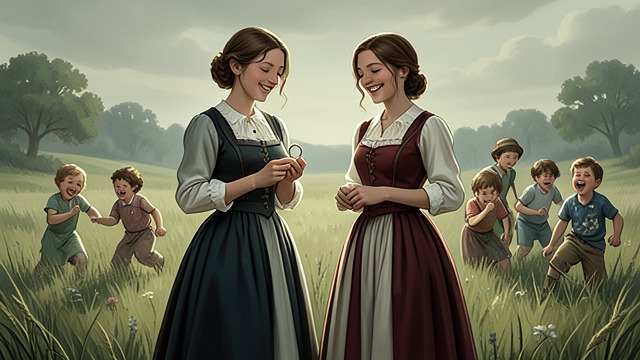
Anne and Diana Barry wonder whether being grown up will be as delightful as they once expected. They are beginning to see that adulthood brings decisions as well as new freedoms.
Anne jokes about becoming an old maid, while Diana’s engagement ring gives marriage a tangible presence. Their humor helps them face a future that neither can fully imagine.
Change cannot be postponed
They recognize that their lives are moving in different directions. Growing up begins not with a single age, but with the knowledge that shared childhood routines will change.
First-Year Dislocation
First-Year Dislocation
Losing an old measure
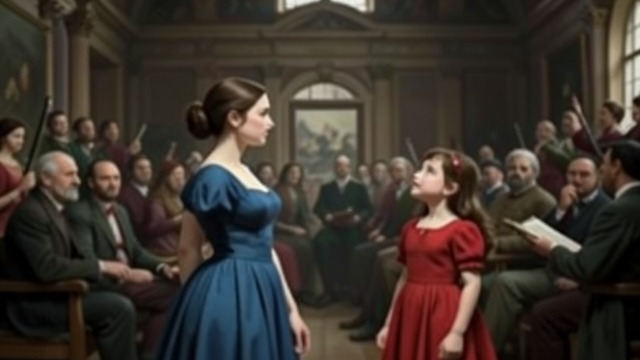
Anne feels insignificant among the students and traditions of Redmond, because she had expected life to continue as it did at Queen’s University. The new scale of the college unsettles her confidence.
Priscilla Grant describes the opposite feeling, as if she takes up too much space. Their different reactions show that transition can make people feel invisible or conspicuous.
Learning a new scale
The freshmen become a class through shared experience, and Anne begins to understand that belonging will be made rather than given. Discomfort becomes the end of one beginning, not the end of her prospects.
A Friend’s Death
A Friend’s Death
Childhood interrupted
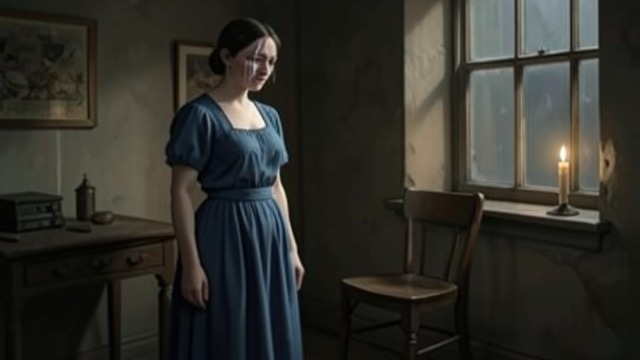
Ruby Gillis’s death confronts Anne with a loss that cannot be fitted into the ordinary progress of growing up. A school friend has died before marriage and motherhood, the future she had wanted.
Anne sees that the faces of familiar people and the shape of the old group will not remain unchanged. The loss deepens her sense of time and responsibility.
Living differently
Anne resolves to live with more attention to what endures. Grief becomes not just sorrow for Ruby, but a guide to Anne’s own purposes.
Diana Becomes a Mother
Diana Becomes a Mother
A changed friend
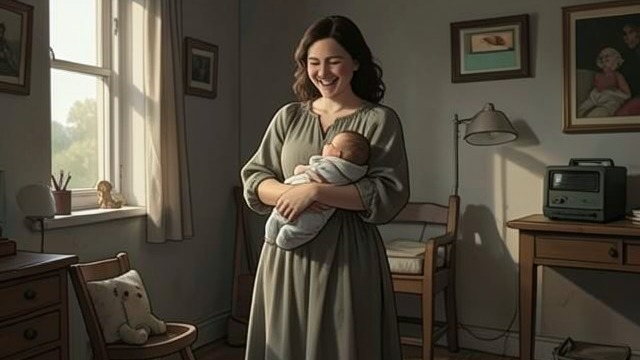
Anne visits Diana Barry after the birth of her first child and sees her childhood companion in a new role. Diana’s joy is unmistakable, and Anne admires the transformation even as it makes her feel outside the moment.
Her loneliness is the feeling of an observer whose shared past no longer defines the other person’s whole life. She does not resent Diana’s happiness, but experiences the distance it creates.
A life moving onward
The visit shows that adulthood brings fulfillment and separation together. Love does not prevent change; it allows friends to remain important while their lives take different forms.
Memory Without Return
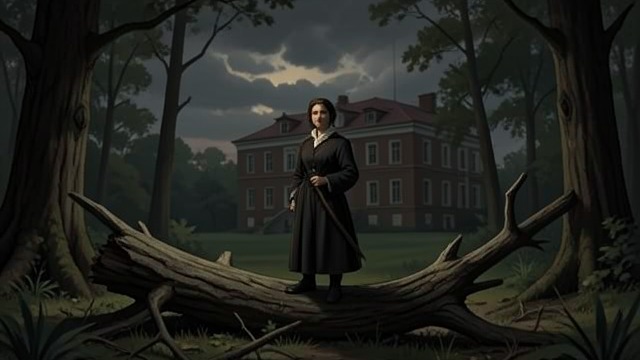
Memory Without Return
A vanished landscape
The fallen Snow Queen tree and altered household bring Anne face to face with the loss of familiar childhood landmarks. She cannot restore the past by returning home.
Anne’s sadness coexists with her readiness for work and a new future. The past remains precious, but she must stop treating its preservation as the condition of happiness.
Carrying childhood forward
Anne’s later acceptance of a life with Gilbert does not erase her earlier dreams or friendships. She carries them into adulthood as part of an identity still capable of changing.
The autumn before Anne’s first college year
The first weeks at Redmond
The end of Ruby Gillis’s life
The summer after Anne’s graduation
Anne’s final summer at Green Gables
